Artikel: Ayat Jemputan Perkahwinan Dwibahasa: 10 Idea Yang Benar-benar Menarik
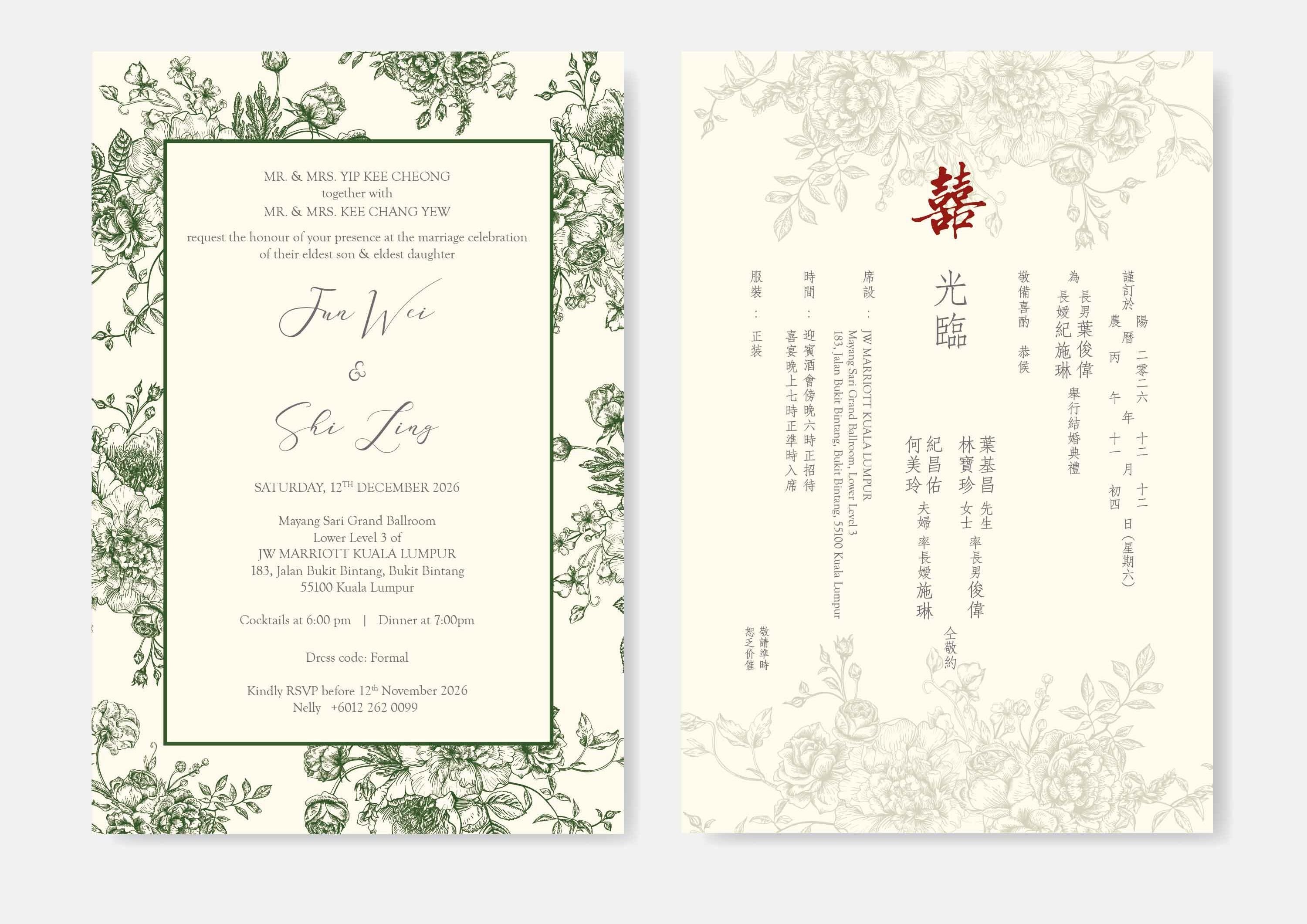
Ayat Jemputan Perkahwinan Dwibahasa: 10 Idea Yang Benar-benar Menarik
Memahami Seni Kata-kata Jemputan Perkahwinan Dwibahasa
Kata-kata jemputan perkahwinan dwibahasa melambangkan pendekatan canggih untuk menghormati warisan pelbagai budaya sambil menciptakan perayaan yang inklusif. Jemputan yang direka dengan teliti ini merentasi sempadan linguistik, menggabungkan dua bahasa dalam pengumuman perkahwinan yang harmoni dan beresonansi dengan demografi tetamu yang pelbagai.
Kesenian di sebalik jemputan dwibahasa melangkaui terjemahan semata-mata. Ia merangkumi nuansa budaya, pertimbangan tipografi, dan tradisi upacara yang mesti disepadukan dengan lancar ke dalam naratif reka bentuk yang kohesif. Pasangan moden semakin mencari penyelesaian tempahan ini untuk mewakili kesatuan antara budaya mereka secara sahih.
Signifikan Budaya dalam Perkahwinan Moden
Perayaan perkahwinan kontemporari sering mencerminkan sifat global hubungan moden. Jemputan dwibahasa berfungsi sebagai titik sentuhan awal untuk tetamu, menetapkan nada upacara sambil mengakui perjalanan pelbagai budaya pasangan. Jemputan ini menunjukkan penghormatan terhadap tradisi nenek moyang sambil merangkumi estetika kontemporari.
Kedwibahasaan linguistik menciptakan suasana inklusif yang memastikan semua hadirin merasa dialu-alukan dan dihargai, tanpa mengira pilihan bahasa utama mereka. Pendekatan yang teliti terhadap reka bentuk jemputan ini mencerminkan komitmen pasangan untuk menghormati kedua-dua latar belakang budaya secara sama rata.
Elemen Penting Kata-kata Jemputan Perkahwinan Dwibahasa
Mencipta kata-kata jemputan perkahwinan dwibahasa yang cemerlang memerlukan perhatian yang teliti terhadap ketepatan linguistik dan keaslian budaya. Setiap elemen teks mesti dikalibrasi dengan teliti untuk mengekalkan konsistensi merentasi kedua-dua bahasa sambil mengekalkan resonansi emosi yang dimaksudkan.
Hierarki dan Penempatan Bahasa
Penempatan strategik bahasa dalam susun atur jemputan memberi impak yang signifikan terhadap estetika keseluruhan dan keberkesanan komunikasi. Penempatan bahasa utama biasanya mencerminkan budaya dominan upacara, manakala penempatan bahasa sekunder memastikan kepentingan visual yang sama.
Hierarki tipografi mewujudkan aliran bacaan dan menekankan maklumat kritikal seperti butiran upacara, butiran resepsi, dan permintaan respons. Pereka alat tulis profesional memahami keseimbangan nuansa yang diperlukan untuk mencapai kesaksamaan linguistik tanpa menjejaskan keanggunan reka bentuk.
Pertimbangan Tipografi dan Kebolehbacaan
Pemilihan fon menjadi lebih kompleks secara eksponen apabila menggabungkan pelbagai bahasa, terutamanya apabila berhadapan dengan sistem abjad yang berbeza. Keserasian skrip, jarak aksara, dan pelarasan ketinggian baris memerlukan kepakaran khusus untuk memastikan kebolehbacaan optimum merentasi variasi linguistik.
Set jemputan premium sering menggunakan muka taip pelengkap yang menghormati warisan kaligrafi tradisional setiap bahasa sambil mengekalkan kecanggihan kontemporari. Pendekatan ini mewujudkan kesepaduan visual sambil menghormati konvensyen tipografi budaya.
Sepuluh Idea Contoh Kata-kata Jemputan Perkahwinan Dwibahasa
Koleksi pilihan berikut mempamerkan pelbagai pendekatan kepada kata-kata jemputan perkahwinan dwibahasa, masing-masing disesuaikan dengan gabungan budaya tertentu sambil mengekalkan keanggunan dan kejelasan universal.
Gabungan Inggeris-Mandarin
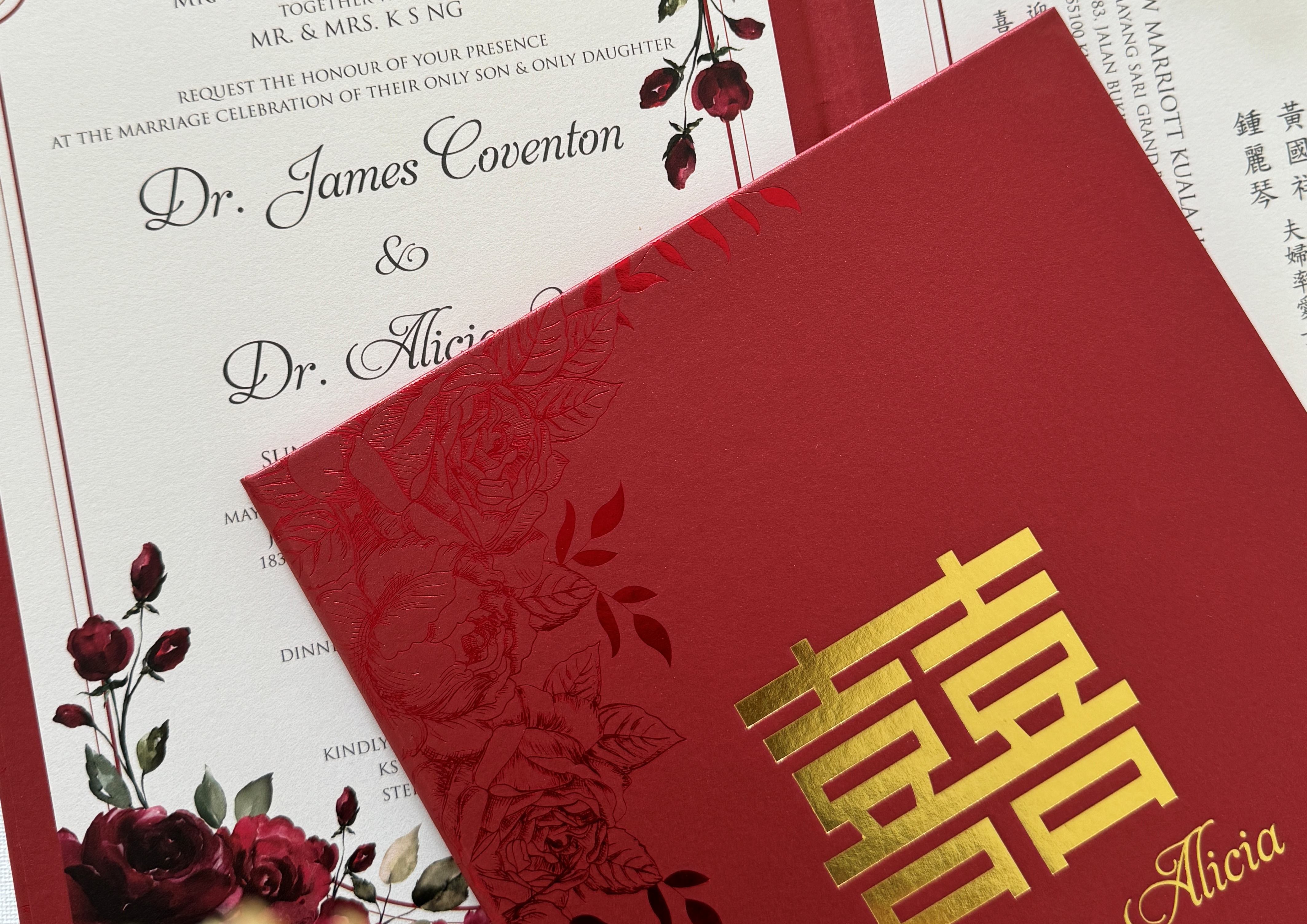
Jemputan Inggeris-Mandarin sering menampilkan formaliti upacara yang menghormati adat perkahwinan tradisional Cina sambil menggabungkan konvensyen perkahwinan Barat. Penjajaran ini menciptakan susunan teks yang canggih yang menarik minat sensitiviti dwibudaya.
"Bersama keluarga kami, kami dengan gembira menjemput anda untuk meraikan majlis perkahwinan kami. 我們誠摯邀請您參加我們的婚禮慶典,見證我們愛情的美好時刻。"
Pendekatan ini mengekalkan struktur selari sambil membenarkan setiap bahasa untuk meluahkan sentimen khusus budaya secara semula jadi. Jemputan ini menyampaikan kehangatan dan formaliti secara serentak, mencerminkan signifikan upacara yang wujud dalam kedua-dua tradisi.
Teknik Integrasi Reka Bentuk
Reka bentuk jemputan dwibahasa yang berjaya memerlukan integrasi elemen linguistik yang lancar dalam kerangka visual yang kohesif. Pereka profesional menggunakan pelbagai teknik untuk mencapai keseimbangan harmoni ini.
Strategi Susun Atur untuk Dwibahasa
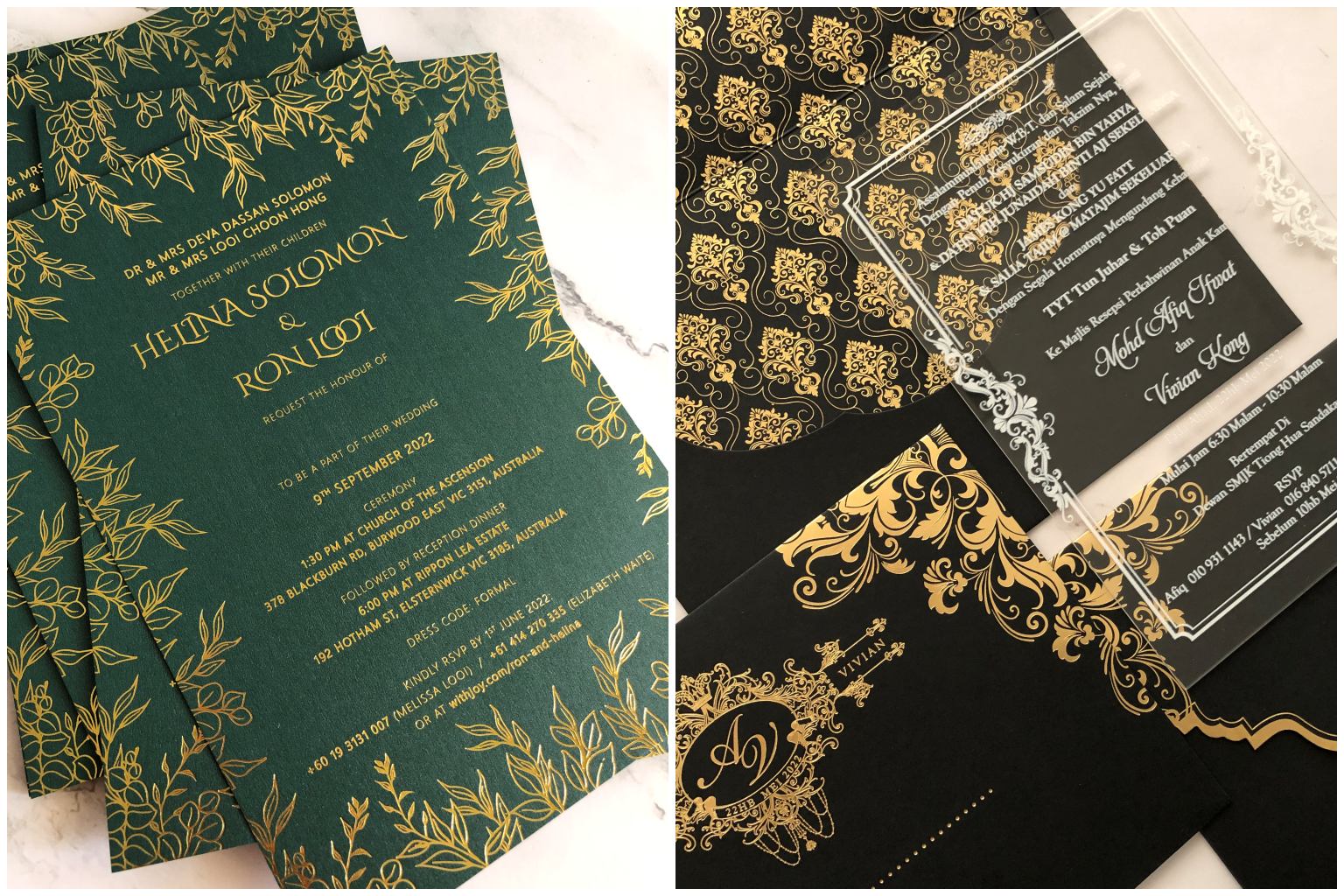
Strategi susun atur yang berkesan termasuk susunan lajur selari, persembahan bahasa bertumpuk, dan elemen teks yang saling berkaitan. Setiap pendekatan menawarkan kelebihan yang berbeza bergantung pada dimensi jemputan, jumlah kandungan, dan pilihan estetika.
| Gaya Susun Atur | Terbaik Untuk | Pertimbangan Reka Bentuk |
|---|---|---|
| Lajur sebelah-menyebelah | Penekanan bahasa yang sama | Memerlukan format yang lebih lebar |
| Persembahan bertumpuk | Hierarki tradisional | Memuatkan saiz standard |
| Teks saling berkait | Integrasi artistik | Perancangan tipografi yang kompleks |
Psikologi Warna dalam Reka Bentuk Berbilang Bahasa
Pemilihan warna dalam undangan dwibahasa mesti mengambil kira simbolisme warna budaya merentas tradisi yang diwakili. Warna-warna tertentu membawa makna khusus dalam budaya yang berbeza, memerlukan pertimbangan yang teliti untuk mengelakkan konotasi yang tidak diingini.
Pereka profesional menyelidik kepentingan warna budaya untuk memastikan kesesuaian dan penerimaan positif dalam kalangan demografi tetamu yang pelbagai. Perhatian terhadap sensitiviti budaya kromatik ini menunjukkan rasa hormat dan pemikiran.
Pertimbangan Pelaksanaan Praktikal
Melaksanakan ayat undangan perkahwinan dwibahasa dengan jayanya memerlukan penanganan pelbagai pertimbangan praktikal yang mempengaruhi proses reka bentuk dan pengeluaran.
Ketepatan Terjemahan dan Nuansa Budaya
Perkhidmatan terjemahan profesional yang mengkhusus dalam komunikasi perkahwinan memastikan ketepatan linguistik sambil memelihara keaslian budaya. Terjemahan langsung sering gagal menangkap kepentingan upacara, memerlukan penyesuaian yang bermaklumat budaya.
Penutur asli dari kedua-dua latar belakang linguistik harus menyemak semula ayat akhir untuk mengesahkan kesesuaian dan resonansi emosi. Langkah jaminan kualiti ini mencegah salah faham atau ketidakpekaan budaya yang berpotensi.
Pertimbangan Pengeluaran dan Percetakan
Undangan dwibahasa mungkin memerlukan teknik percetakan khusus untuk memuatkan set aksara, keperluan fon, dan kerumitan susun atur. Kaedah percetakan seni seperti letterpress dan foil stamping mesti dirancang dengan teliti untuk mencapai hasil yang optimum merentasi kedua-dua bahasa.
- Keserasian pengekodan aksara untuk typesetting digital
- Pelesenan fon untuk kegunaan komersial berbilang bahasa
- Pemilihan kertas yang mempengaruhi penyerapan dakwat dan kejelasan aksara
- Keperluan pembuktian untuk pelbagai versi bahasa
Soalan Lazim Mengenai Undangan Perkahwinan Dwibahasa
Perlukah kedua-dua bahasa diberi keutamaan yang sama?
Keutamaan bahasa bergantung pada beberapa faktor termasuk lokasi majlis, demografi tetamu, dan kepentingan budaya kepada pasangan. Banyak pasangan memilih perwakilan yang sama, manakala yang lain menetapkan hierarki berdasarkan pertimbangan praktikal.
Bagaimana kad respons berfungsi dengan undangan dwibahasa?
Kad respons biasanya mencerminkan pendekatan dwibahasa undangan, menyediakan pilihan balasan dalam kedua-dua bahasa. Ini memastikan komunikasi yang selesa untuk semua tetamu tanpa mengira pilihan linguistik mereka.
Bagaimana pula dengan mengalamatkan sampul surat secara dwibahasa?
Alamat sampul surat harus mengutamakan ketepatan penghantaran pos sambil menggabungkan elemen dwibahasa jika sesuai. Nama tetamu boleh ditulis dalam bahasa pilihan mereka, manakala alamat mengekalkan keperluan pos tempatan.
Ayat undangan perkahwinan dwibahasa mewakili sintesis seni warisan budaya, ketepatan linguistik, dan kecanggihan reka bentuk. Undangan yang direka dengan teliti ini berfungsi sebagai kenangan abadi yang menghormati kisah cinta pelbagai budaya sambil mencipta pengalaman perayaan inklusif untuk semua hadirin.